Ming Porcelain Vase Art: 20 Exclusive Clipart for Timeless Design
There's a certain quiet power in objects that have survived centuries. They carry stories in their glaze, in the curve of their form, in the delicate patterns that adorn them. Ming Dynasty porcelain is a perfect example—it’s not just pottery; it’s a language of artistry, status, and philosophy. Translating that timeless elegance into modern creative work is a challenge, but also an incredible opportunity. Imagine bringing that same sense of history, craftsmanship, and serene beauty into a wedding invitation, a brand's visual identity, or a series of social media posts. This is where a thoughtfully curated asset like a clipart bundle becomes more than just a design tool; it becomes a bridge between eras, allowing you to infuse your projects with a depth and sophistication that feels both classic and refreshingly unique.
The Visual Language of Imperial Aesthetics
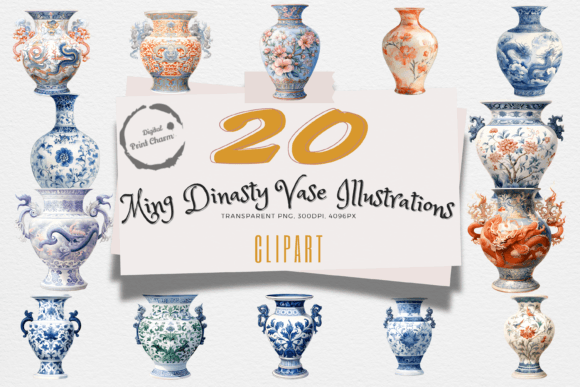
What makes Ming porcelain so visually captivating? It’s the harmony of elements. The iconic blue-and-white palette isn't just a color scheme; it's a signature. The cobalt blue, ranging from deep navy to a soft, hazy cerulean, applied with masterful brushwork, creates patterns that are both intricate and balanced. Motifs like scrolling clouds, mythical dragons, peony blooms, and serene landscapes aren't merely decorative—they're symbolic, telling stories of power, prosperity, and nature. A collection like the Ming Porcelain Vase Art: 20 Exclusive bundle captures this essence. It offers a library of these visual elements, from full vase forms to isolated design components, all rendered as high-resolution, transparent PNGs. This format is a practical dream for designers. You can layer a single vase onto a textured paper background for an instant editorial look, or use the floral motifs as repeating patterns for packaging. The transparency means no tedious clipping paths, saving hours of work and letting you focus on the creative composition.
From Ancient Motifs to Modern Branding
For a small business owner, especially in fields like artisanal goods, boutique hospitality, wellness, or high-end retail, establishing a distinct brand identity is everything. Ming porcelain art offers a rich visual shorthand for qualities like heritage, meticulous craftsmanship, and refined taste. Using these cliparts in your logo design or as core brand assets can communicate a narrative of timelessness and quality without a single word. Think of a high-end tea company using a stylized vase motif in its branding, or a luxury spa incorporating the calming blue-and-white patterns into its menu and packaging. It immediately sets a tone that is both serene and prestigious.
The applications extend far beyond static logos. These design assets are perfect for creating a cohesive visual ecosystem:
- Packaging & Labels: A single vase illustration can become the centerpiece of a product label, instantly elevating a shelf presence. The motifs can frame text beautifully on boxes and bags.
- Social Media & Web Design: Create a consistent and elegant Instagram feed by using the vases as background elements or focal points in your graphics. They can add a sophisticated frame to quotes, announcements, or product shots on your website.
- Print Materials & Invitations: This is where the art truly shines. For wedding invitations, gala programs, or high-end restaurant menus, these cliparts provide an instant upgrade. A vase illustration on a save-the-date card or a patterned border on a dinner menu creates a memorable, tactile experience.
- Digital Products & Merchandise: For creators selling planners, journals, or printable art, incorporating these vases as stickers or decorative elements adds immense value and a unique thematic touch.
Practical Integration: Making It Work for Your Project
While the asset itself is stunning, its success in your project depends on thoughtful integration. Here’s how to approach it with a designer’s mindset.
Context is Key: Match the art to your project’s goal and audience. A full, ornate vase might be perfect for a luxury brand's hero image, but for a clean, modern website header, you might want to use a single, simplified floral motif from the collection instead. Consider the emotion you want to evoke—grandeur, tranquility, or historical intrigue.
Font Pairing is Crucial: The wrong typography can clash with this classic art. Avoid overly modern, geometric sans-serif fonts for headlines if you’re using the vases as primary elements. Instead, consider a elegant serif font with moderate contrast, or a refined script font for accents. For body text, a clean, readable sans-serif font provides a necessary balance and ensures your message isn’t lost. The goal is a conversation between the historical art and contemporary typography, not a competition.
Color Harmony: While the classic blue-and-white is iconic, you don’t have to be bound by it. Use the clipart’s existing palette as a starting point for your entire project’s color scheme. Pull the deep blue for headlines, the cream of the porcelain for backgrounds, and the soft gray of brushstrokes for secondary elements. Alternatively, place the art against a bold, contrasting background—like a deep emerald green or a rich burgundy—to make it pop in a more modern way.
Test for Readability: If you’re using a vase as a background behind text, always test for legibility. You may need to add a semi-transparent overlay, a subtle text shadow, or place the text within a solid-colored box to ensure it stands out. The high resolution (300 dpi, 4096x4096 pixels) of these files gives you plenty of flexibility to resize and adjust without losing quality.
A Note on Commercial Use and Authenticity
For entrepreneurs and designers, understanding licensing is non-negotiable. A bundle marketed for such diverse uses—planners, scrapbooking, digital art, invitations, home decor—typically implies a broad commercial license, but it is your responsibility to verify the specific terms provided by the seller before using the art in a product for sale. Ensure the license covers your intended use, whether it’s for digital templates, printed merchandise, or client work.
Finally, authenticity matters. While these cliparts provide a stunning shortcut, using them thoughtfully shows respect for the source culture. They are best used as an accent or a thematic element that complements your original content, rather than as a standalone piece. This approach not only creates more compelling designs but also honors the artistry of the Ming tradition.
In the end, this collection is more than just 20 digital files. It’s a toolkit for storytelling. It allows you to weave a thread of ancient elegance into the fabric of modern communication, helping your projects achieve a level of depth and recognition that feels both professional and profoundly artistic. Whether you’re building a brand, designing a one-of-a-kind invitation, or crafting a social media series, these assets offer a tangible way to connect with an audience that appreciates beauty, history, and quality.