Hand-Drawn Botanicals: A Designer's Secret Weapon
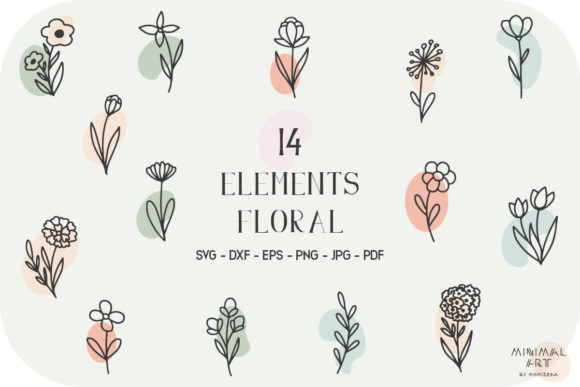
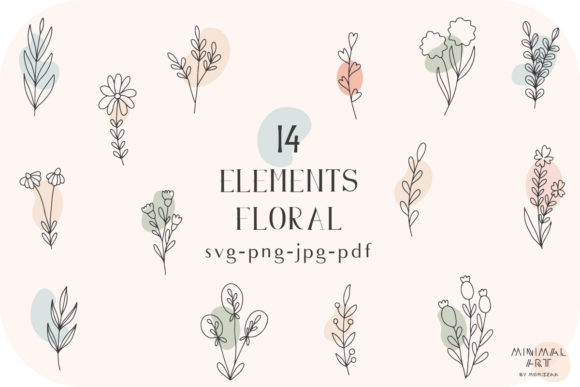
There's an undeniable charm to hand-drawn elements in a digital world saturated with perfect vectors and crisp lines. The slight imperfections, the organic flow of a petal, the natural taper of a leaf stem—these details inject warmth and authenticity into any project. This collection of 14 hand-drawn flowers and leaves illustrations is designed to do exactly that. It's not just a set of graphics; it's a toolkit for creating visuals that feel personal, crafted, and genuinely human. Whether you're a graphic designer building a brand identity, a small business owner crafting packaging, or a content creator looking to elevate your social media feed, these botanical elements offer a versatile and visually appealing solution.
Why Organic Illustrations Resonate
In branding and design, the goal is often to connect on an emotional level. Hand-drawn art does this naturally. It suggests care, artistry, and a story behind the product or service. This particular set of botanical illustrations captures the delicate beauty of nature with a sketch-like quality that feels both professional and approachable. The lines have a confident yet gentle hand, making them perfect for projects that need to convey elegance without being stuffy, or creativity without being chaotic. They work beautifully as standalone accents, framed elements, or repeating patterns, offering incredible flexibility for visual communication.
From Digital Files to Tangible Creations
One of the most practical aspects of this collection is the range of file formats included. The SVG, PNG, JPG, and PDF files ensure compatibility with virtually any design software or crafting machine. The 300 dpi resolution guarantees print-ready quality for everything from business cards to large-format posters. The transparent PNG backgrounds are a lifesaver for layering elements in Photoshop or Canva, while the SVG files are perfectly optimized for use with Silhouette and Cricut cutting machines. This means your creative vision isn't limited to a screen. You can take these designs from a digital mockup to a physical product—vinyl decals for a storefront, heat transfers for custom apparel, or intricate paper cutouts for wedding invitations—with consistent, high-quality results.
Practical Applications for Your Brand and Business
Think beyond simple decoration. These floral and leaf motifs are powerful tools for building a cohesive brand identity. A consistent set of hand-drawn elements can become a recognizable part of your visual language, used across multiple touchpoints to create a unified experience for your audience.
- Logo and Brand Marks: Integrate a single flower or a curated arrangement into your logo to add a distinctive, artisanal touch. It can work as an icon, a monogram frame, or a subtle watermark.
- Packaging and Product Design: Use the illustrations to create custom wrapping paper, box labels, or tissue paper prints. For a coffee shop, a floral border on a menu adds instant charm. For a skincare line, botanical accents on the packaging reinforce a natural, gentle product story.
- Digital Presence: Social media graphics, blog post headers, and website banners become more engaging with these elements. Create a signature frame for your Instagram quotes or use the leaves as subtle dividers on your website's "About" page to guide the reader's eye.
- Print and Merchandise: Design stunning wedding suites, thank you cards, or event posters. For merchandise, the illustrations are perfect for tote bags, ceramic mugs, or journal covers, offering a timeless aesthetic that appeals to a wide audience.
Ensuring Visual Harmony in Your Projects
When incorporating these botanical assets, the key is to use them with intention. Start by considering the overall tone of your project. The delicate nature of these hand-drawn elements pairs well with clean, simple typography—think a classic sans-serif or a soft serif font. This contrast allows the illustrations to shine without creating visual clutter. For a more romantic or vintage feel, they can be paired with a complementary script font, but ensure the script remains legible, especially for body text.
Color plays a crucial role. You can maintain the natural black or grey of the original drawings for a sophisticated, monochromatic look. Alternatively, recolor the elements to match your brand palette. A muted sage green for the leaves and a dusty rose for the flowers can create a completely different mood than a vibrant coral and emerald scheme. The SVG files make this recoloring simple in vector software like Adobe Illustrator or Affinity Designer.
Finally, think about composition. Don't just place a flower in the corner and call it done. Use the elements to create balance and flow. Frame your text, create a diagonal line of interest, or build a delicate wreath around a central image. By treating these illustrations as integral parts of your design system rather than afterthoughts, you'll achieve a professional and polished presentation that truly elevates your work.