Red Farmhouse Clipart: Rustic Charm for Modern Designs
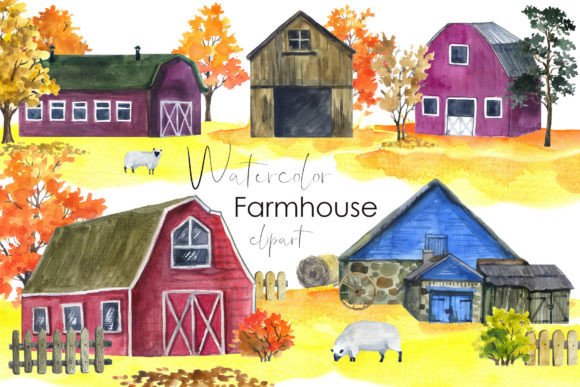
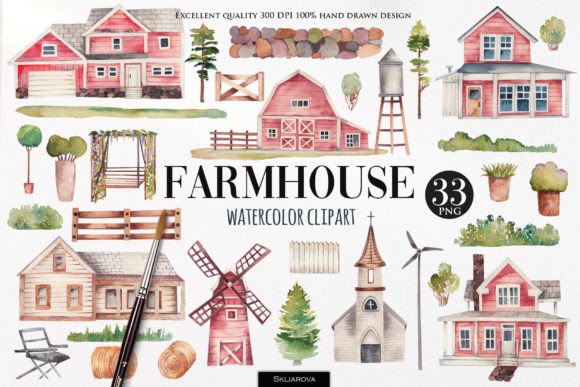
There's something deeply comforting about a red farmhouse. It evokes warmth, nostalgia, and a sense of timeless simplicity. Translating that feeling into a design project, however, often requires more than just a stock photo. You need versatile, high-quality elements that can be shaped to fit your unique vision. That’s precisely where a dedicated clipart set, like the one featuring 33 watercolor elements, becomes an invaluable creative asset. It’s not just about having a picture of a house; it’s about having a toolkit to build an entire world around your brand or project.
Why Watercolor Elements Resonate with Audiences
In a digital landscape saturated with sharp vectors and flat graphics, watercolor textures offer a breath of fresh air. They carry an organic, handcrafted quality that feels authentic and personal. The soft edges, subtle color bleeds, and inherent imperfections of watercolor art create an emotional connection that sterile, perfect graphics often miss. For a small business, a blogger, or a crafter, this authenticity is gold. It signals care, creativity, and a human touch. A set like this, with its transparent backgrounds and high-resolution (300 dpi, RGB) files, provides that organic feel without sacrificing the technical precision needed for professional output. You can layer a watercolor tree over a digital mockup or place a hand-painted fence into a website header, and it will look intentionally crafted, not pasted on.
Practical Applications Beyond the Obvious
The true value of a comprehensive clipart library lies in its flexibility. While you might initially consider Red Farmhouse Clipart for a rustic wedding invitation or a seasonal greeting card, its potential extends far wider. Let’s break down how these elements can solve real design challenges.
- Brand Identity & Logo Design: For a farm-to-table restaurant, a local bakery, or a boutique selling artisan goods, these watercolor elements can become the core of a logo system. A simple house silhouette paired with a script font creates a welcoming logo. The individual elements—trees, grass, fences—can then be used as standalone brand marks for social media profiles, packaging stickers, or email signatures, ensuring visual consistency across every touchpoint.
- Packaging & Labels: Imagine a line of homemade jams or candles. Using a watercolor house or a cluster of trees on the label instantly communicates a story of homegrown, handmade quality. The high-resolution files ensure that even when printed on small labels, the details remain crisp and the colors vibrant.
- Digital Products & Marketing Assets: Content creators and educators can use these elements to design engaging worksheets, PDF guides, or online course materials. The farmhouse theme can illustrate concepts of “building a foundation” or “cultivating growth” in a visually appealing way. For social media, creating a series of Instagram Stories or Pinterest pins with a cohesive, charming aesthetic becomes effortless when you have a matching set of assets.
- Editorial & Web Design: Bloggers writing about rural life, gardening, DIY projects, or even mindfulness can use these illustrations to break up text and add visual interest to their posts. In web design, a subtle watercolor background or a decorative border can elevate a simple webpage into an immersive experience. The scalability of the files means they look just as good on a massive poster as they do on a mobile screen.
Integrating Elements into a Cohesive Design Strategy
Having beautiful assets is one thing; using them effectively is another. The key is to treat these elements as part of a larger design system. Start by defining the mood you want to set. The red farmhouse palette is inherently warm, so it pairs beautifully with earthy tones, creamy whites, and soft greens. When selecting complementary typography, consider fonts that echo that handcrafted vibe. A warm serif font for body text can provide stability, while a flowing script font for headlines can enhance the personal, artisanal feel. The goal is harmony, not competition, between your imagery and your type.
Think about composition and space. A single, bold house illustration can serve as a powerful focal point for a poster or a hero image on a website. Alternatively, you can create a more dynamic scene by combining multiple elements—a house nestled among trees with a fence in the foreground. Because each piece has a transparent background, you have complete control over layering and arrangement. This allows you to create custom scenes that tell a specific story for your brand or project, something a pre-made, static image simply cannot offer.
Choosing Your Visual Toolkit Wisely
When sourcing any design asset, quality and licensing are non-negotiable. A premium font or a high-quality illustration set is an investment in your project's professionalism. Always check the file specifications. The 3500x2000 pixel size of the main house elements here is substantial, giving you ample room to crop, resize, and adapt without losing clarity. The 300 dpi resolution is standard for print, ensuring your designs look sharp on everything from business cards to banners.
Equally important is understanding the license. For commercial use—whether you’re selling merchandise, using the graphics in a client’s logo, or incorporating them into a product you sell—the license must explicitly permit that. A set designed for broad use, like wedding designs, invitations, and printing on fabric, typically offers the flexibility needed for most entrepreneurial and creative projects. Always review the terms to ensure they align with your intended use, especially if you plan to create and sell digital products or physical goods.
Ultimately, the right visual assets do more than decorate; they communicate. They build a recognizable world around your brand, making it more memorable and relatable. A well-curated set like this Red Farmhouse Clipart provides the foundational bricks—each watercolor tree, fence, and charming house—to construct that world with intention, warmth, and a distinctly personal touch. It’s about giving your projects a soul, one beautiful, hand-painted element at a time.